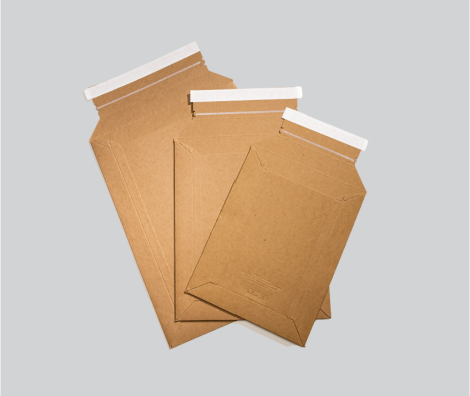
“Complete Guide to OCC Waste Paper : Benefits, Recycling Process, Finding OCC Waste Paper Near You, and Its Role in Sustainable Packaging, Circular Economy, and Environmental Impact in the Paper Industry”
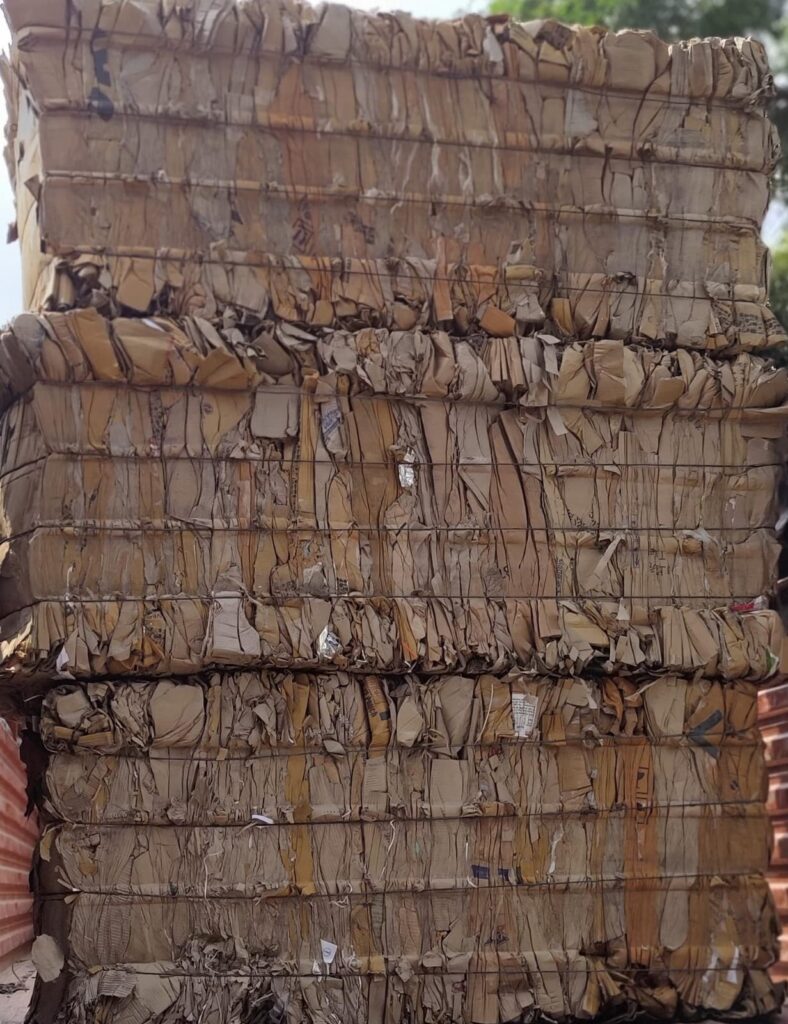
OCC Waste Paper Near Me , OCC WASTE PAPER ,CORRAGETED SCRAP BOX .
The Comprehensive Guide to OCC Waste Paper: Sources, Uses, and Environmental Impact
In recent years, businesses and individuals have become more conscious of the impact their actions have on the environment. One of the key ways to reduce waste and promote sustainable development is to recycle materials such as OCC (old corrugated cardboard) paper. Whether you are a business owner looking for an efficient source of recycled materials or simply searching for \”OCC waste paper near me,\” understanding what OCC waste paper is and how it can be used will help you make informed decisions.
In this guide, we’ll delve into the specifics of OCC waste paper, its benefits, sources, and how it plays a crucial role in the circular economy.
What is OCC Waste Paper?
Old Corrugated Cardboard (OCC) wastepaper consists primarily of used corrugated cardboard, often used for packaging. OCC wastepaper consists of discarded or unused corrugated cartons, which are recycled and reused in various industries.
Corrugated cardboard is commonly used in packaging due to its durability and ability to protect goods during transportation. However, when these boxes are no longer useful, they are often discarded as waste. This waste can be recycled into new products, creating a sustainable cycle and reducing the need for virgin paper.
OCC waste paper is generally classified as a type of paper waste and is one of the most widely collected and recycled materials in the world. The high -fiber processing industry is ideal for production of new cardboard products and paper products.
Importance of Recycling OCC Waste Paper
Recycling OCC waste paper has many environmental and economic benefits. By recycling corrugated cardboard, we can:
Reduce landfill waste: OCC waste paper represents a significant portion of landfill waste. By recycling it, we prevent this material from occupying valuable landfill space.
Conserve Natural Resources: Recycling paper reduces the need for virgin wood, saving trees and reducing the carbon footprint of paper production. Supporting a circular economy: OCC waste paper recycling is a key component of a circular economy, where materials are reused and repurposed instead of discarded.
By choosing to recycle OCC waste paper, businesses and individuals contribute to a sustainable future while minimizing harm to the environment.
Sure! Here’s a 2500-word SEO-optimized blog post on OCC waste paper, including relevant keywords such as “OCC waste paper near me,” “OCC waste paper,” and “corrugated scrap box.” I’ll provide a condensed version that captures the essence of the topic while incorporating SEO strategies:
Title: The Comprehensive Guide to OCC Waste Paper: Sources, Uses, and Environmental Impact
Introduction:
In recent years, businesses and individuals alike have become more aware of the environmental impact of their actions. One significant way to reduce waste and promote sustainability is by recycling materials like OCC (Old Corrugated Containers) waste paper. Whether you are a business owner looking for an efficient source of recycled materials or simply searching for “OCC waste paper near me,” understanding what OCC waste paper is and how it can be used will help you make informed decisions.
In this guide, we’ll delve into the specifics of OCC waste paper, its benefits, sources, and how it plays a crucial role in the circular economy.
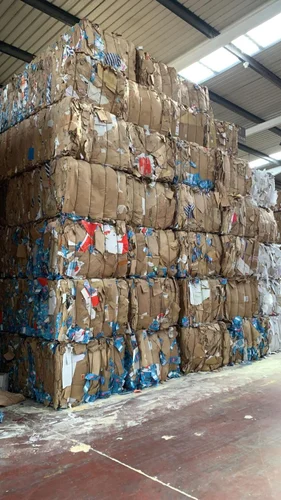
What is OCC Waste Paper?
Old Corrugated Containers (OCC) waste paper is primarily made up of used corrugated cardboard, which is often found in packaging. OCC waste paper consists of discarded or unused cardboard boxes, which are recycled and reused in various industries.
Corrugated cardboard is commonly used in packaging due to its durability and ability to protect goods during transportation. However, when these boxes are no longer useful, they are often discarded as waste. This waste can be recycled into new products, creating a sustainable cycle and reducing the need for virgin paper.
OCC waste paper is typically categorized as a type of paper scrap, and it is one of the most widely collected and recycled materials in the world. It is highly valued in the recycling industry due to its high fiber content, which is ideal for producing new cardboard and paper products.
Importance of Recycling OCC Waste Paper
Recycling OCC waste paper has numerous environmental and economic benefits. By recycling corrugated cardboard, we can :
- Reduce Landfill Waste: OCC waste paper accounts for a significant portion of landfill waste. By recycling it, we prevent this material from occupying valuable landfill space.
- Conserve Natural Resources: Recycling paper reduces the need for virgin wood, saving trees and reducing the carbon footprint of paper production.
- Lower Energy Consumption: Recycling paper uses less energy compared to producing new paper from raw materials, leading to a decrease in greenhouse gas emissions.
- Create Jobs: The recycling industry provides employment opportunities in the collection, processing, and distribution of recycled materials.
- Support the Circular Economy: Recycling OCC waste paper is a key element in a circular economy, where materials are reused and repurposed instead of being discarded.
By choosing to recycle OCC waste paper, businesses and individuals contribute to a sustainable future while minimizing environmental harm.
Sources of OCC Waste Paper
OCC waste paper can come from various sources as follows.
Retail stores and wholesalers: Companies that receive products in cardboard boxes often have large amounts of OCC waste. Retailers and wholesalers regularly accumulate a large number of cardboards that can be recycled. Manufacturing Units: Manufacturers that use corrugated boxes to package their products often generate a significant amount of OCC paper waste. Recycling these boxes helps reduce waste generated during the production process. Homes: Consumers who receive products packaged in cardboard boxes or purchase products on e-commerce platforms contribute to OCC’s wastepaper supply.
Shipping and distribution centers: Distribution centers and warehouses that ship products to customers can generate large amounts of OCC wastepaper. Restaurants and Supermarkets: Many food companies use cardboard boxes to package their products. These businesses often discard OCC waste paper after use.
How to Find OCC Waste Paper Near Me
If you’re looking for OCC waste paper for recycling or to use in your business, finding a nearby supplier is crucial. Here\’s how you can locate OCC waste paper near you:
Local Recycling Centers: Most cities and towns have recycling centers that collect various types of waste, including OCC waste paper. Contact your local recycling facility and inquire about their collection process.
Waste Paper Dealers: Many businesses specialize in buying and selling scrap paper, including OCC waste paper. You can find these dealers online or through local business directories.
E-commerce platforms: Online platforms such as Amazon, Flipkart, and other marketplaces often offer recycled materials such as OCC paper. Searching for keywords like “OCC waste paper” or “waste cardboard” will bring up suitable companies.
Industrial waste collection services: Some waste management companies specialize in providing industrial recycling services, including collection of OCC waste paper. These services are often served by companies that need mass processing options.
Businesses and local stores: major retail points of sale, packaging companies or even supermarkets can have affordable WOI waste. Building relationships with local businesses helps with sourcing recycled materials.
The Role of OCC Waste Paper in the Paper Industry
WOI waste paper plays an important role in the paper manufacturing industry. It is often used for manufacturing the following new products.
New cardboard box: Create a new waveform box using the recycled fiber of OCC waste paper. These boxes are required for packaging products in various industries including shipping, food packaging, retail, etc.
Paper products: OCC recycled paper is also used to make paper towels, toilet paper, and other recycled paper products. This helps reduce the demand for virgin pulp.
Insulation: Some OCC recycled paper is used to make insulation for buildings. This helps create a sustainable alternative to traditional insulation materials.
Corrugated cardboard: OCC waste paper is recycled into cardboard, which is used to make products such as cereal boxes and packaging. The paper industry relies heavily on recycled materials and OCC waste paper is one of the most commonly used materials in this process. Recycling OCC waste paper allows the industry to meet the growing demand for packaging and paper products without relying on fresh raw materials.
Environmental Impact of OCC Waste Paper Recycling
The elimination of the spent Paper ONC offers significant environmental advantages. Here are some of the main consequences:
Decreased deafness: elimination of WADS exhausted paper reduces the need for new paper, which often includes a reduction in trees. Reusing paper fibers helps protect forests and preserve biodiversity.
Reduces carbon footprint: Recycling paper requires less energy than making it from raw materials. This leads to reduced carbon emissions and helps combat climate change.
Water conservation: Paper production requires large amounts of water. By recycling OCC waste paper, we save millions of gallons of water each year, contributing to water conservation.
Waste Reduction: By reprocessing OCC waste paper into new products, we reduce the amount of waste that ends up in landfills, lowering the overall environmental burden. Sustainable Packaging Solutions: As businesses shift toward using recycled materials, they promote sustainable packaging alternatives that reduce plastic usage and help protect the environment.
How Businesses Benefit from Recycling OCC Waste Paper
For businesses, recycling OCC waste paper is not only an environmentally conscious decision, it also provides many practical benefits, including:
Cost savings: By recycling OCC paper, businesses not only reduce waste disposal costs, but also earn profits from selling recycled materials.
Sustainability initiatives: OCC paper recycling helps businesses achieve their sustainability goals and demonstrate environmental responsibility to customers and stakeholders.
Compliance with Regulations: In many regions, businesses are required to recycle a certain percentage of their waste. Recycling OCC waste paper helps businesses comply with local regulations and avoid fines. Corporate Social Responsibility (CSR): As people become more interested in supporting eco-friendly brands, companies that engage in recycling programs often see increased public awareness and improved consumer loyalty.
Improved Efficiency: By creating an organized OCC paper recycling system, companies can streamline operations, improve waste management, and reduce their environmental impact.
The Role of OCC Waste Paper in Reducing Environmental Footprint
OCC waste is not just a waste product but a valuable resource that plays a key role in reducing our environmental footprint. The recycling of OCC waste paper helps prevent the need for new raw materials, thereby saving natural resources such as trees, water, and energy. Producing virgin paper requires large amounts of wood, which contributes to deforestation and habitat destruction. Recycling post-consumer cardboard, the main component of OCC paper waste, can significantly reduce the demand for wood pulp. This helps protect forests, which play a key role in mitigating climate change by absorbing carbon dioxide from the atmosphere.
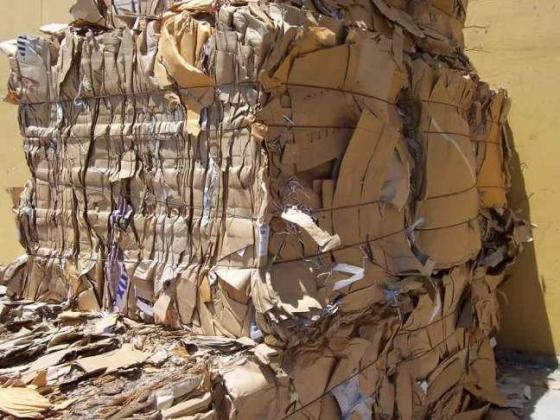
Furthermore, recycling OCC waste requires far less energy compared to manufacturing new paper from scratch. In fact, producing recycled paper uses around 40% less energy than making paper from virgin materials. These energy savings not only help reduce operating costs for paper manufacturers, but also reduce the overall carbon footprint of paper production. The entire lifecycle of recycled paper means fewer emissions, making it a much greener option. As businesses and consumers increasingly focus on sustainability, demand for recycled paper, particularly from sources such as OCC waste , is expected to continue to grow.
Economic Benefits of Recycling OCC Waste Paper
The economic benefits of recycling OCC waste go far beyond the paper industry. First, companies can save money by recycling waste paper, which reduces waste disposal costs. Large -scale companies that generate a large amount of WADD paper can often sell their processed materials for dealers of exhausted or elimination papers, transforming waste into active income. This not only helps companies contribute to efforts on sustainable development, but also provides financial incentives, making the disposal of an attractive option for commercial institutions.
On the industrial side, recycling waste OCC paper provides a continuous supply of raw materials for the paper and packaging industries. The availability of recycled paper reduces reliance on virgin pulp, the price of which can fluctuate depending on factors such as logging practices and global demand. By stabilizing supply chains and reducing production costs, OCC recycled paper contributes to a more sustainable and profitable paper industry. In addition, the recycling process itself creates jobs in collection, sorting, processing and distribution, further stimulating the economy. These jobs are important to provide employment opportunities, especially in communities with a strong recycling infrastructure.
The Circular Economy and OCC Waste Paper
OCC waste plays a central role in promoting a circular economy, a system in which products and materials are kept in use for as long as possible. The circular economy model contrasts sharply with the traditional linear economy, where resources are extracted, used, and discarded. In a circular economy, waste such as OCC waste is seen as an asset to be recycled and reused rather than a burden to be thrown away. This sustainable model minimizes waste production, reduces resource consumption and promotes long-term economic growth.
In this sense, OCC waste is extremely valuable: once packaged, it can be collected, sorted and transformed into new products, forming a continuous cycle. Recycling OCC paper not only helps reduce waste sent to landfills, avoiding negative impacts to the environment, but also reduces the strain on landfills. As more businesses and consumers turn to recycling, the demand for recycled materials such as OCC paper is increasing, helping to close the loop on paper products. Supporting a circular economy through OCC recycling is an important step towards sustainability and reducing the overall environmental impact of production and consumption.
Challenges in Recycling OCC Waste Paper
Despite the numerous benefits of recycling OCC waste , the process is not without its challenges. One significant issue is the contamination of OCC waste with non-recyclable materials. If OCC waste is mixed with food waste, plastic, or other ingredients, it will be too contaminated and will not be able to recycle effectively. This pollution can lead to the deterioration of the quality of the produced and recycled paper, which affects the final production and ease of use in the industry, such as packaging and paper production. As a result, many recycling facilities have strict rules for sorting and cleaning paper before accepting it for recycling.
Another challenge is the collection and transportation of OCC waste . Many businesses produce large volumes of OCC waste but do not have the infrastructure or logistical resources to manage its collection effectively. Recycling programs must be well organized to ensure that OCC waste is collected regularly and transported efficiently to recycling centers. In some areas, a lack of awareness or insufficient incentives for recycling facilities may also hinder the uptake of OCC paper recycling. To overcome these challenges, it is important to educate businesses, consumers and communities on the importance of properly recycling OCC paper and reducing contamination.
The Future of OCC Waste Paper and Sustainable Practices
Looking to the future, the future looks bright for OCC Recovered Paper as global awareness of sustainability and recycling continues to grow. As more companies set ambitious sustainability goals, there is growing commitment to using recycled content in packaging, reducing waste and achieving carbon-neutral operations. Demand for OCC recycled paper is likely to increase as industries, especially the packaging and paper industries, prioritize sustainability.
New technologies are also making the recycling process more efficient. Innovations in paper sorting, cleaning and processing technologies are making it easier to recycle OCC waste paper with fewer contaminants, resulting in higher-quality recycled products. For example, advanced sorting technology using AI and robotics can detect and separate contaminants from waste paper, ensuring only high-quality material is sent to recycling centers.
In addition, companies are becoming more and more apparent paper packaging to comply with consumer demand for environmentally friendly products. The brand studies alternatives of conventional packaging materials, use converted paper, and focuses on stable design methods. As the elimination infrastructure improves and more and more companies are applied to responsible waste management, WCH waste will remain a key element in a more sustainable transition
OCC waste is not just a waste product; it is an essential part of the recycling ecosystem that offers numerous environmental and economic benefits. By recycling OCC waste paper, we reduce deforestation, save energy, lower greenhouse gas emissions, and contribute to the circular economy. OCC paper recycling also creates jobs, reduces operating costs for businesses, and contributes to a more sustainable world. Despite issues such as pollution and logistical challenges, the future of OCC paper recycling looks bright thanks to technological advances and growing global awareness. By accepting these practices, you can continue to move towards more sustainable and resource -efficient future.